 Skip to content
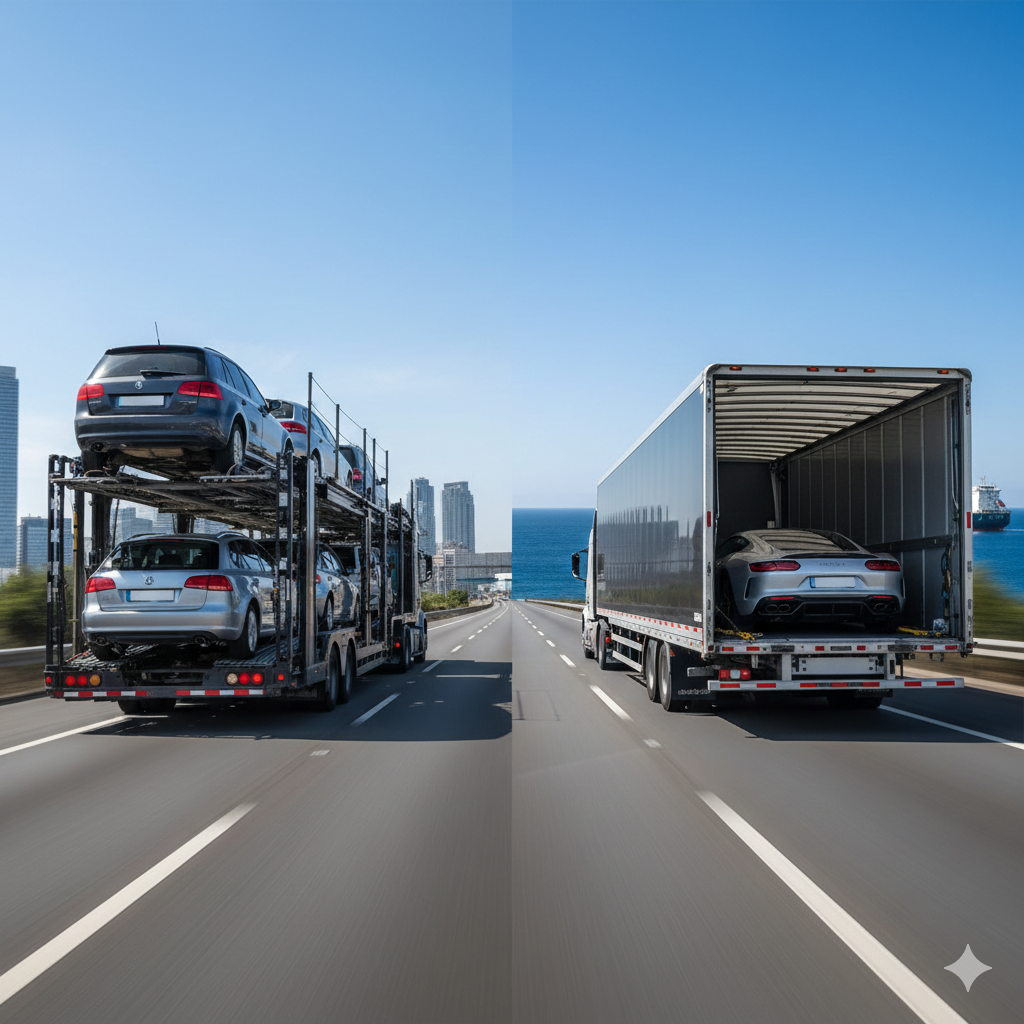
If you’re considering vehicle shipping, understanding open car hauling and comparing it with other transport options is critical for making the right choice for your situation.
Open car hauling is the most common method used by a professional car shipping company because it’s typically the most affordable and widely available. It works well for standard vehicles and offers reliable service for local and long-distance car transport needs. In contrast, other choices such as enclosed or premium transport add protection and other features but usually at a higher cost.
This guide breaks down how open car hauling works, how it compares in price and service to alternatives like enclosed carriers and door to door auto transport, what affects your quote, and who is best suited for each transport method.
Table Of Contents
- What Open Car Hauling Is
- How Open Car Hauling Works
- Comparing Open Car Hauling to Other Transport Options
- Pricing and What Affects Your Quote
- Door to Door Auto Transport With Open Car Hauling
- Long Distance Car Transport Considerations
- When Open Car Hauling Is the Smart Choice
- How to Compare Quotes From a Car Shipping Company
- Get a Quote
1. What Open Car Hauling Is
Open car hauling is the process of transporting vehicles on open-air trailers. These trailers usually carry multiple vehicles; often up to 8–10 at one time. This method is common because it allows carriers to distribute costs across multiple customers, which keeps pricing more affordable. According to industry pricing data, open transport is typically the most economical shipping option, with average cross-country rates often ranging from approximately $1,100 to $2,100, depending on distance, vehicle type, and other variables.
An open trailer is uncovered, meaning your vehicle will be exposed to the elements during transit. While well-secured by professional tie-downs, the vehicle is visible and, in some weather conditions, may collect dust or dirt. Despite this exposure, most cars are shipped this way safely every day by car shipping companies across the country.
2. How Open Car Hauling Works
The open car hauling process is part of the standard auto transport workflow offered by reputable car transportation services:
Step 1: Quote Request
You start by requesting a quote from a car shipping company. Provide details like vehicle type, pickup and drop-off ZIP codes, preferred service options (including whether you want door to door auto transport) and timing.
Step 2: Booking
Once you choose a quote, the carrier schedules your pickup. Unlike enclosed or specialty transport, open car hauling schedules are generally more flexible and easier to book.
Step 3: Pickup and Loading
At pickup, drivers use ramps and secure tie-downs to load your vehicle onto an open trailer. The carrier will conduct a vehicle inspection and document existing conditions before departure.
Step 4: Transit and Delivery
During transit, your vehicle travels on the open trailer along with others headed in the same direction. On delivery, drivers inspect and unload your vehicle, and you confirm its condition before signing off.
3. Comparing Open Car Hauling to Other Transport Options
When evaluating options for moving your vehicle, understanding how open car hauling stacks up against the other major transport methods helps you choose the right service for your needs and budget. Below, we break down the key differences in protection level, cost, availability, speed, suitability, and use cases for each common vehicle transport service offered by reputable car shipping companies.
1. Open Car Hauling (Standard Auto Transport)
Open car hauling is the most frequently used auto transport method, where your vehicle rides on an uncovered trailer alongside other vehicles. This method balances cost, availability, and reliability.
Key Characteristics:
- Vehicles are exposed to weather and road conditions, but secured with industry-standard equipment.
- Typically the most affordable transport option.
- Broad carrier availability across most regions.
- Works well for standard sedans, SUVs, and trucks without special protection needs.
Strengths:
- Lower pricing due to carrier efficiency
- Easy scheduling and flexible route options
- Widely available across all major transport corridors
Limitations:
- Exposure to elements
- Less protective for high-value or delicate vehicles
2. Enclosed Transport
Enclosed transport places your vehicle inside a covered carrier, shielding it from weather, dust, debris, and road impact. This option is commonly chosen for higher-value vehicles.
Key Characteristics:
- Greater protection; vehicles are not exposed to external elements.
- Fewer vehicles per trip, which increases space per car.
- Typically higher pricing than open car hauling.
Strengths:
- Best choice for luxury, rare, collectible, and classic vehicles
- Reduced risk of environmental wear during shipping
- Often preferred for long-distance or cross-country shipments involving high-value cars
Limitations:
- Higher cost (often 30–60% more than open transport)
- Limited carrier availability on some routes
3. Door to Door Auto Transport
Door to door auto transport refers to the pickup and delivery method; carriers collect and deliver your vehicle as close as possible to your specified addresses. This service can be performed via open or enclosed hauling.
Key Characteristics:
- Convenience focused, minimal travel required on your end
- Typically slightly higher pricing than terminal-to-terminal
Strengths:
- Reduces logistics effort for you
- Ideal for customers without easy access to terminals
Limitations:
- May be limited in very tight urban streets or rural areas (carrier trucks require access space)
- Slightly higher cost than terminal pickup/delivery
4. Terminal to Terminal Transport
This option involves dropping off your vehicle at a carrier’s terminal location and picking it up at the destination terminal. It is often the least expensive method, but requires more coordination from you.
Key Characteristics:
- Lower pricing than door to door
- Requires you to travel to and from terminals
Strengths:
- Cost savings for shippers who have transportation to terminals
- Useful for centralized routes and major urban hubs
Limitations:
- Less convenient, especially for long distances
- Limited terminal coverage in rural or remote regions
5. Expedited or Guaranteed Delivery Services
Expedited or guaranteed delivery options are upgrades on standard transport methods. They prioritize your shipment for faster pickup or assured arrival windows.
Key Characteristics:
- Comes with an added fee
- Faster scheduling and tighter delivery windows
Strengths:
- Ideal for time-sensitive moves
- Predictable timelines for coordination with personal or business schedules
Limitations:
- Higher pricing than standard open or enclosed hauling
- Not always needed unless timing is critical
6. Specialized Services (Luxury, Classic, or Show Transport)
Some car transportation services tailor solutions for rare, vintage, or show vehicles. While these often use enclosed transport as the base, additional handling protocols may apply.
Key Characteristics:
- Top-tier protection and handling
- Often includes padded loading, minimal movement setups, and specialized insurance
Strengths:
- Maximum care for irreplaceable vehicles
- Best choice for show, collector, or exotic cars
Limitations:
- Premium pricing
- May have more scheduling requirements
| Transport Option | Protection Level | Typical Cost Range | Typical Use Case | Availability | Speed |
| Open Car Hauling | Moderate | $700–$1,200 | Everyday vehicles, standard shipping | Very High | Standard |
| Enclosed Transport | High | $1,050–$1,800 | Luxury, classic, collectible | Moderate | Standard |
| Door to Door (Open or Enclosed) | Moderate to High | $800–$1,300 | Convenience-oriented shippers | High in urban areas | Standard |
| Terminal to Terminal | Moderate | $600–$1,100 | Cost-sensitive shippers near terminals | Moderate | Standard |
| Expedited / Guaranteed Delivery | Moderate to High | $1,200–$2,000 | Time-sensitive moves | Varies by carrier | Faster |
| Specialized (Luxury/Show) | Very High | $1,500–$3,000 | High-value, rare vehicles | Limited | Varies |
Understanding these options helps you align your priorities; whether that’s cost, protection level, convenience, or timing, with the right transport method.
Open car hauling remains the most cost-efficient choice for most vehicles and is often the best starting point when working with a trusted car shipping company. The other options layer in protection, convenience, or speed as needed based on your unique needs.
Looking for auto transport services near you? Get A Free Quote today!
4. Pricing and What Affects Your Quote
Several factors influence the overall cost of open car hauling and other transport methods:
A. Distance
Longer routes require more fuel and driver time, which increases the price. However, per-mile costs can decrease on longer shipments because carriers optimize routes.
B. Vehicle Size & Type
Larger vehicles like trucks and SUVs often cost more to haul because they occupy more space and weigh more. Rates for open car hauling are usually presented as ranges because of these variations.
C. Seasonal Demand
Peak summer months and snowbird relocation seasons often see higher pricing due to increased demand. Planning outside these times can sometimes result in lower quotes.
D. Service Level
Options like expedited service, guaranteed pickup windows, and door to door auto transport will impact your final quote. These services add convenience but may add cost.
E. Pickup and Delivery Locations
Remote or rural locations may incur higher fees compared with major city pick-ups and drop-offs.
Data suggests that typical rates for open transport vary widely, from more economical local runs to cross-country quotes that fall in the $1,100–$2,100 range.
5. Door to Door Auto Transport With Open Car Hauling
One of the most common ways people use open car hauling is through door to door auto transport. Instead of dropping off your vehicle at a terminal and picking it up later, the carrier coordinates a pickup at your specified address and delivers directly to the destination address.
Door to door service generally simplifies the process, especially if you have a busy schedule or limited access to transportation. While this level of convenience may add modest cost compared to terminal-to-terminal service, many customers consider it worth it for the added convenience and reduced logistics effort.
Understanding door to door car shipping cost ahead of time can help you decide between terminal and address-based delivery. The difference varies by carrier and route, but it’s one of the first questions you should ask when comparing quotes.
6. Long Distance Car Transport Considerations
If you’re searching for “Long Distance Car Transport Near Me,” you’re likely planning to move your vehicle across a significant distance. Open car hauling is often the go-to choice for long hauls because carriers have widespread networks and more capacity to consolidate loads.
According to industry sources, open transport remains the dominant option for long-distance auto shipping due to its cost-effectiveness and availability. While enclosed transport offers added protection, many daily drivers and standard vehicles travel long distances without issues on open carriers.
When getting quotes, consider:
- Pickup and delivery windows: Longer routes might offer more flexible scheduling.
- Seasonal traffic: Summer and winter can affect delivery times.
- Service add-ons: Expedited transport or guaranteed dates may be worth a premium if timing is critical.
7. When Open Car Hauling Is the Smart Choice
Open car hauling is often the recommended option when:
- You’re transporting a standard sedan, SUV, or truck that doesn’t require extra protection.
- Budget is a priority and you want affordable car transportation services.
- You’re focused on door to door auto transport without needing specialized handling.
- You want access to multiple quote options quickly from different carriers.
Because open car hauling is the most widely used shipping method in the U.S., it offers flexibility and competitive pricing, making it a reliable choice for most vehicle transport needs.
8. How to Compare Quotes From a Car Shipping Company
When comparing quotes, look beyond the price and examine:
- Pickup and delivery flexibility: Some carriers can offer narrow windows for an extra cost.
- Included services: Does the quote cover door to door auto transport? Insurance? Fuel surcharges?
- Carrier reputation: Reviews and licensing information matter for peace of mind.
- Transit timelines: Understand expected delivery windows for planning.
Getting multiple enclosed auto transport quotes and open transport quotes allows you to compare not only cost but value and service commitments.
9. Get a Quote
Choosing the right transport option comes down to your vehicle, budget, and personal concerns about how your car travels. Open car hauling is a strong option for most everyday vehicles and often provides the best balance of affordability, availability, and simplicity. Whether you’re moving long distance or just across towns, it’s worth comparing quotes from reputable car shipping companies to find the option that fits you.
Fill out the form below & Get a free Quote now to compare open car hauling pricing for your route and vehicle.
Final Note
Understanding the differences between open car hauling and other transport alternatives helps you make a confident, informed decision when working with a car shipping company. The goal isn’t just to find the lowest price, it’s to choose the right service for your situation without sacrificing peace of mind.
