 Skip to content

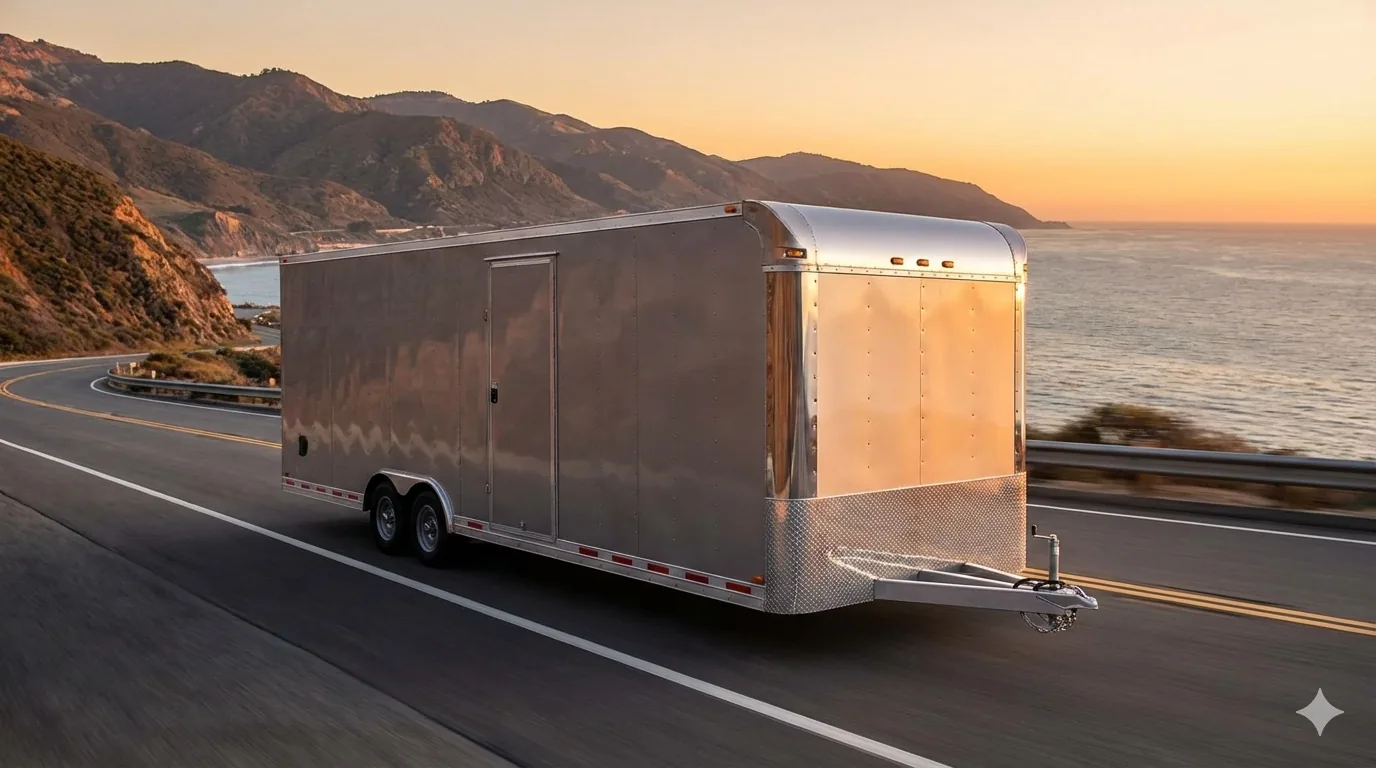
If you’re shipping a vehicle for the first time, the biggest decision you’ll make is how it travels: on an open carrier or inside an enclosed trailer. Both are safe, professional options used every day across the country, but they serve different needs. Here’s how to choose the right one for your vehicle, your timeline, and your budget.
What Is Open Car Shipping?
Open car shipping is the most common way vehicles move in the United States. Your car rides on a two-level open trailer, the same kind you see delivering new cars to dealerships. It’s the industry standard for a reason:
- Availability. Most carriers run open trailers, so there are more trucks on more routes. That usually means faster pickup windows and more scheduling flexibility.
- Cost. Open transport is the most budget-friendly way to ship a car. Because carriers haul several vehicles at once, the cost per vehicle stays lower.
- Proven for everyday vehicles. Sedans, SUVs, pickup trucks, and family cars ship open every day without issue. Your vehicle is secured, insured, and handled by professional drivers.
The tradeoff is exposure. Your vehicle rides in the open air, so it’s exposed to weather and normal road dust along the way, similar to what it would see on a highway drive.
What Is Enclosed Car Shipping?
Enclosed car shipping moves your vehicle inside a fully covered trailer, protected from weather, road debris, and prying eyes. It’s the premium option, and for some vehicles it’s the right call:
- Classic, collector, and antique cars. Vehicles where originality and condition are everything.
- Luxury and exotic vehicles. High-value cars that benefit from extra protection and discretion.
- Low-clearance or specialty vehicles. Many enclosed carriers use liftgates or extended ramps for vehicles that sit low to the ground.
Because fewer carriers run enclosed trailers and each trailer holds fewer vehicles, enclosed transport costs more than open and can take a little longer to schedule. In exchange, your vehicle arrives having been shielded from the elements for the entire trip.
How to Decide: 4 Quick Questions
1. What’s the vehicle worth, financially or sentimentally? Daily drivers almost always ship open. If the vehicle is rare, high-value, or irreplaceable to you, enclosed is worth considering.
2. What’s the route and season? A summer move across the Southwest is gentler than a January trip through snow, salt, and ice. Harsh-weather routes are a point in favor of enclosed.
3. How fast do you need it moved? Open carriers are easier to book quickly. If your timeline is tight, open transport gives you the most options.
4. What’s your budget? If cost matters most, open transport delivers professional, insured shipping at the lowest price point.
Common Myths, Cleared Up
“Open carriers aren’t safe.” Open transport is how dealerships receive brand-new cars. Vehicles are professionally loaded, secured, and covered by carrier cargo insurance either way.
“Enclosed is only for supercars.” Plenty of enclosed shipments are family heirlooms, restored classics, or vehicles their owners simply want kept spotless.
“You have to decide alone.” A good broker will walk you through the choice based on your actual vehicle and route, not a sales script.
The Bottom Line
There’s no wrong answer here, only the right fit. Open transport is the reliable, affordable standard for most vehicles. Enclosed transport is the extra layer of protection for the vehicles that earn it. What matters most is that your vehicle is handled by vetted, insured carriers and that you know what to expect at every step.
At HIYAAKS Inc, we ship both ways and we’ll tell you honestly which one fits your situation. Request a free quote on our site and we’ll get back to you the same business day, often much sooner.
