 Skip to content

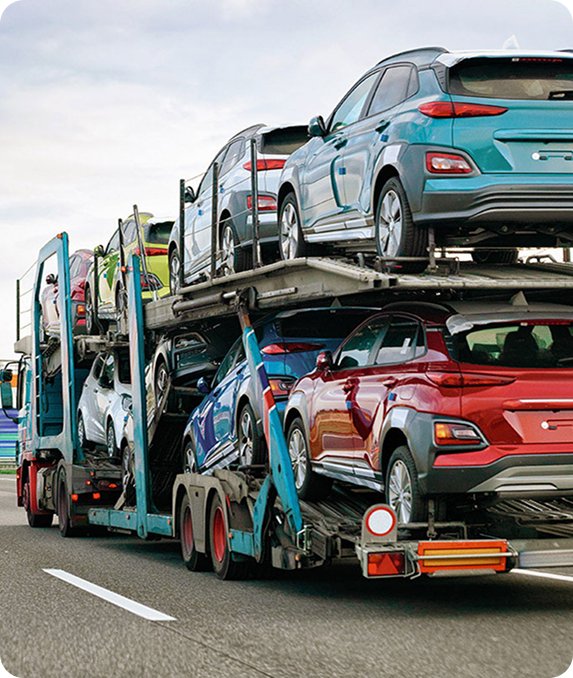
“How long will it take?” is the first question almost everyone asks before shipping a vehicle. The honest answer: it depends on a handful of factors you can mostly predict once you know how the industry works. Here’s what actually determines your timeline, and how to plan around it.
The Two Timelines You’re Really Waiting On
Most people think of car shipping as one wait, but it’s two:
Booking to pickup. After you book, your vehicle is matched with a carrier running your route. On popular routes between major metros, pickup often happens within a few days. On rural or less-traveled routes, it can take longer to find the right truck.
Pickup to delivery (transit). Once your car is on the truck, transit time is mostly about distance and route. Carriers typically cover a few hundred miles per day, and they make multiple stops along the way.
Typical Transit Times by Distance
Every shipment is different, but these ranges are a solid planning baseline:
- Under 500 miles: usually 1-2 days of transit
- 500 to 1,500 miles: usually 2-5 days
- 1,500 to 2,500 miles: usually 5-8 days
- Cross-country (coast to coast): usually 7-10 days
These are transit estimates, not promises. Add your pickup window on the front end for a realistic total.
What Speeds Things Up (or Slows Them Down)
Route popularity. Trucks run full loads between big cities constantly. A Los Angeles to Houston move has carriers available almost daily. A small town in Montana to a small town in Maine takes more coordination.
Season. Summer is peak moving season, and snowbird season (fall southbound, spring northbound, especially to and from Florida) floods certain lanes. High demand can stretch pickup windows.
Weather. Winter storms, hurricanes, and ice slow carriers down or reroute them entirely. Drivers are professionals, but nobody outruns a blizzard.
Your vehicle. Standard running vehicles load fast. Inoperable vehicles need winches or special equipment, oversized vehicles need the right trailer, and both can take longer to match.
Flexibility. A flexible pickup window and flexible locations (meeting the carrier near a main road instead of a tight residential street) make everything move faster.
How to Get Your Vehicle Moved Faster
Book early. The earlier you book, the easier it is to lock in a carrier for your preferred dates. Last-minute bookings are doable, but they limit your options.
Be flexible where you can. Even a few days of wiggle room on pickup dramatically improves carrier matching.
Consider expedited service. When timing truly matters, expedited transport prioritizes your shipment with faster pickup windows. It costs more, but it exists for exactly this situation.
Stay reachable. Quick answers to your broker and the driver keep your shipment moving. Most delays we see trace back to a phone call that went to voicemail.
What Communication Should Look Like
A good broker keeps you posted at every step: when your vehicle is assigned to a carrier, when pickup is scheduled, and when the driver is on the way for delivery. You should never have to chase anyone for an update, and your carrier’s information should be clear before your car is loaded.
The Bottom Line
Plan on a few days for carrier matching plus roughly a week of transit for a cross-country move, less for shorter trips. Book early, stay flexible, and the process is smoother than most people expect.
At HIYAAKS Inc, we tell you upfront what your route’s realistic timeline looks like, and we keep you updated from booking to delivery. Request a free quote on our site and we’ll get back to you the same business day, often much sooner.
